

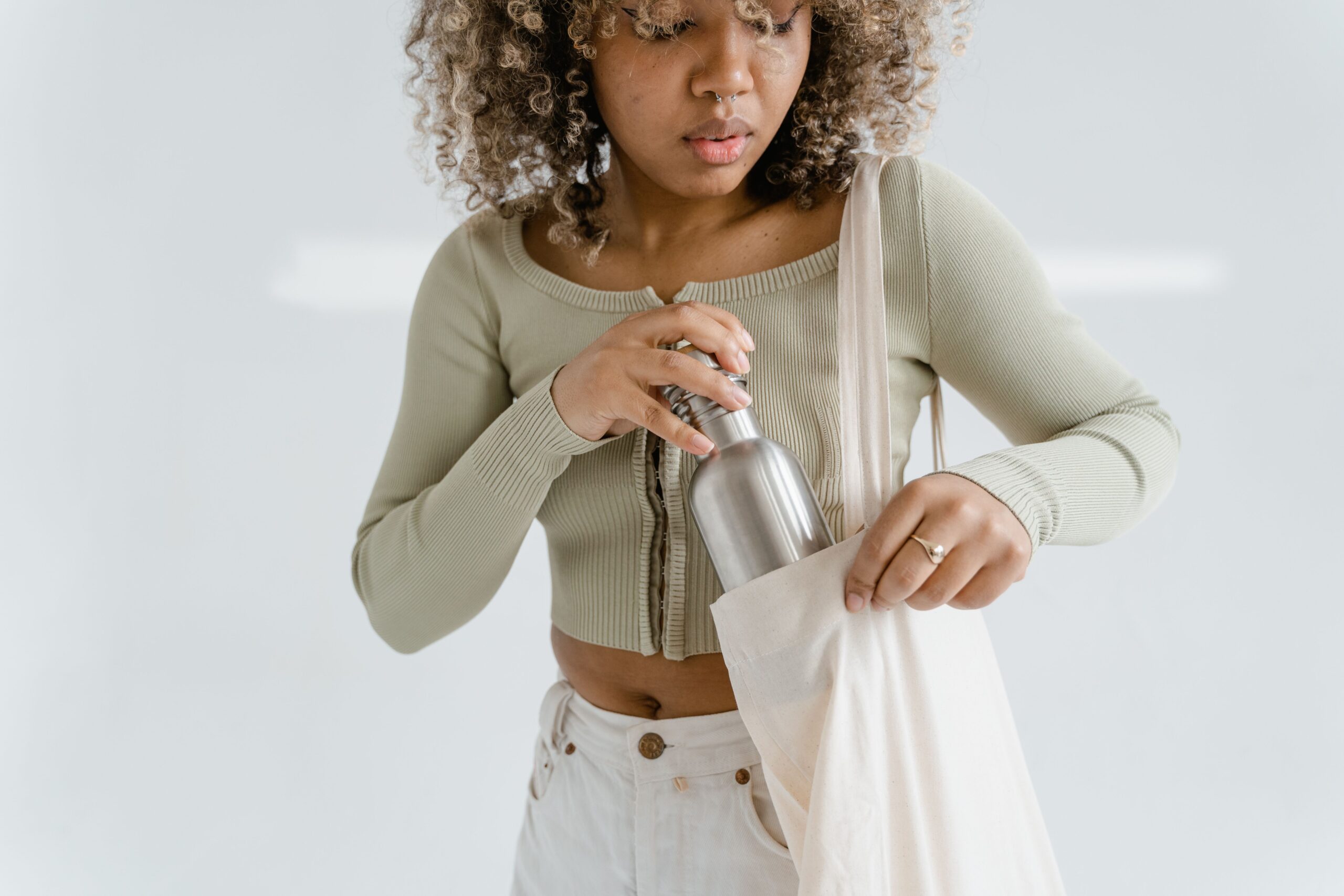
Standing in a store aisle with four or five insulated bottles lined up in front of you, the differences look cosmetic. They aren’t. Capacity changes how a bottle rides in your hand, whether it clears a car cup holder, how much weight you carry up a trail, and how often you go looking for a tap.
Americans buy a lot of these bottles, and plenty of them end up in a cabinet because the size didn’t match the day. A 64-ounce bottle is a brilliant companion on a fishing boat and a nuisance on a crowded commuter train. The 18-ounce that disappears into a lunch bag runs dry by mid-morning if you’re outside in July.
So the question isn’t which size is best. It’s which size matches the gap between your refills.
Start With Your Longest Stretch Between Refills
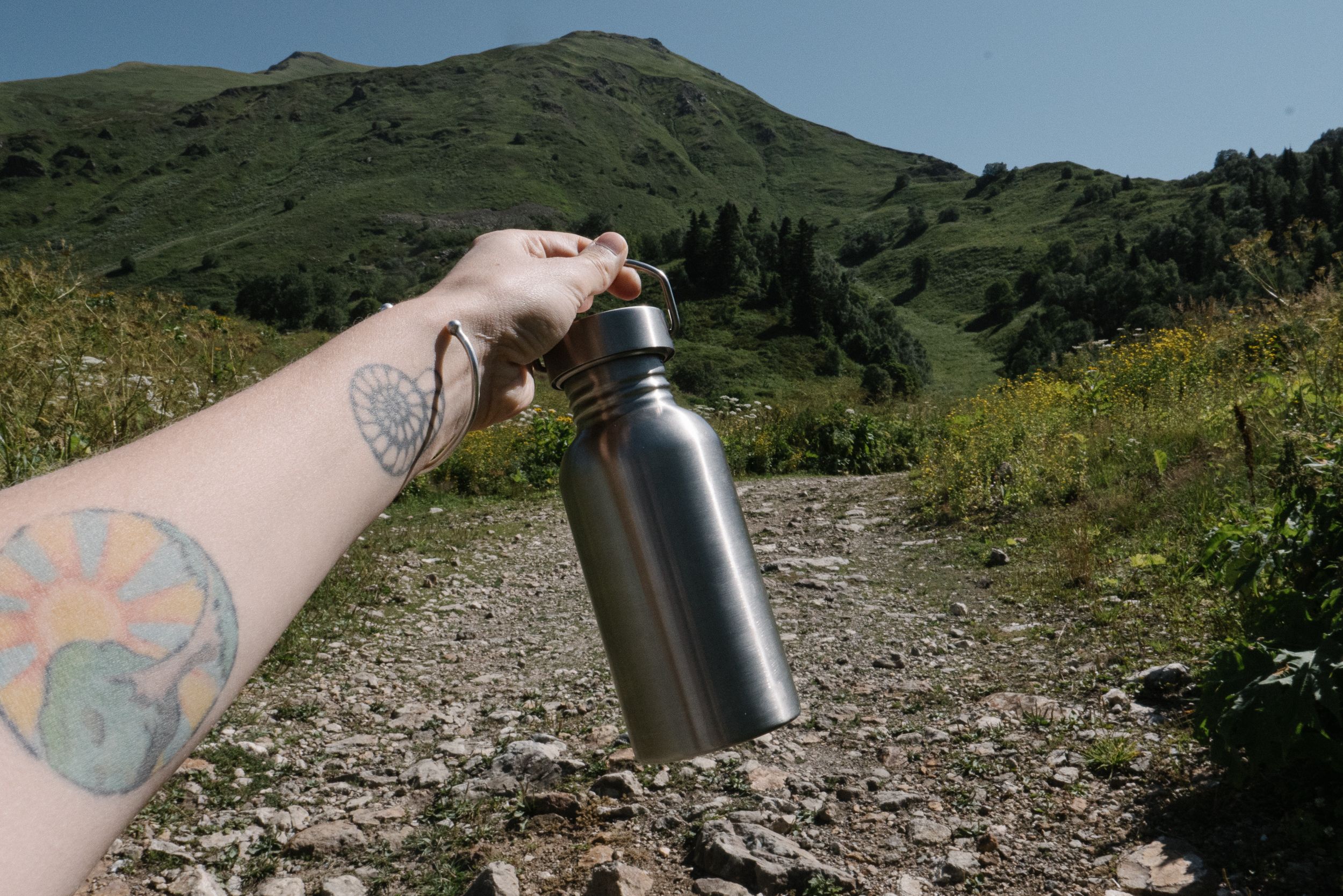
The most useful measurement here isn’t ounces. It’s time.
Think about the longest window in a normal day when you cannot top up. Office workers with a fountain down the hall and a kitchen tap at home have refill points every hour or two, which means a small bottle works fine and never feels like a compromise. Something in the 18-ounce range handles a commute, a short errand run, or a gym session without taking up much room.
A full work shift, a half-day hike, or a long afternoon at a ballpark is a different problem. That’s where roughly 36 ounces earns its keep. It gets you through most of a day without a backpack full of backup water, and it still behaves like a normal bottle in your hand.
Then there’s the all-day category: a trailhead-to-sunset hike, a day on the water, a construction site, a tailgate in open sun. For those, 46 to 64 ounces stops being excessive and starts being practical. A 64-ounce fill is roughly eight cups, which is why people working outdoors tend to gravitate toward the biggest option available.
Be honest in that assessment. Most people overestimate how far they walk from a water source and underestimate how much they drink when it’s hot.
Weight Is the Trade-off Nobody Checks First
Water weighs about half a pound per cup, and that math catches up with you fast.
An 18-ounce insulated bottle clipped to a gym bag barely registers. A 36-ounce is still comfortable to hold one-handed, carry across a parking lot, or drop in a daypack. At 46 ounces, the bottle gets visibly bulky and you start thinking about where to put it. A full 64-ounce bottle is a genuine load, and you’ll want a bag or a flat surface rather than your hand.
Ask yourself a blunt question: will this bottle mostly sit somewhere, or will I be carrying it?
Desk workers, car commuters, and anyone who parks the bottle in one spot can go large without consequence. Hikers, parents hauling beach gear, and people moving between meetings usually regret the extra capacity by mid-afternoon. The bottle you actually bring with you beats the bigger one you leave in the truck.
Cap Style Changes How Much You Drink
Capacity and lid design work together more than most buyers expect.
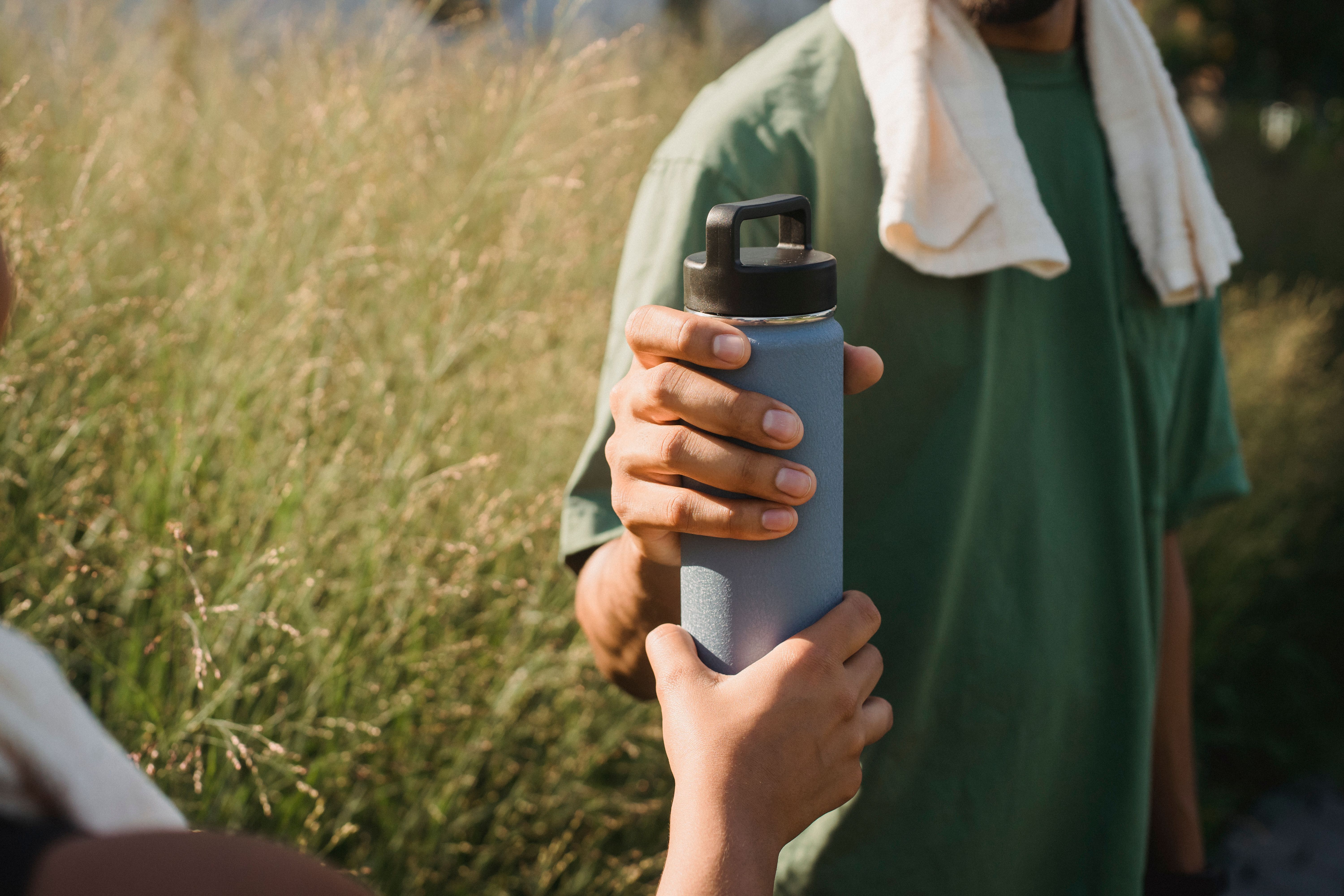
Wide chug-style caps pour fast. They suit workouts, hot days, and anyone who drinks in long pulls rather than sips. They’re also the caps generally rated for hot liquids, which matters if the same bottle is going to carry coffee in February and ice water in August. On the insulated stainless lineups most people are comparing, chug caps are typically rated for hot drinks up to about 185 degrees Fahrenheit.
Straw caps do the opposite. They encourage steady sipping, which is why they feel natural at a desk or in a car, and they let you drink without tilting a heavy bottle toward your face. The catch is that straw lids generally are not rated for hot beverages, so a one-bottle-for-everything plan needs a chug cap or a second vessel.
Larger sizes frequently come paired with chug caps and a handle, partly because a handle is the only civilized way to lift that much water. Smaller models tend to offer both styles.
Fitting a Water Bottle Into Cup Holders, Backpacks, and Lunch Boxes
This is where a lot of purchases go wrong, and it’s the easiest thing to check before you commit.
Standard vehicle cup holders comfortably take 18-ounce and 36-ounce insulated bottles. The 46 and 64-ounce bodies are too wide to seat properly, so they end up rolling around the passenger footwell on every turn. For road trips, park drives, and anyone who lives in their vehicle for work, that single detail narrows the field to 36 ounces or smaller.
Bags have their own ceiling. A 36-ounce bottle is usually the largest size that sits comfortably in a daypack side pocket or a gym tote without shoving everything else aside. Lunch boxes and smaller work bags fit the 18-ounce best.
Once you’ve measured your cup holder and your bag pocket, the practical next step is lining up actual capacities against those numbers, and a breakdown of yeti water bottle size options from 18 up to 64 ounces makes it easier to see where the jump from pocket-friendly to backpack-only happens.
Insulation, Steel, and Why Build Quality Scales With Size
Double-wall vacuum insulation is doing the real work in any of these bottles, and the payoff is measurable. On a moderately warm day, expect ice to hold somewhere in the four to eight hour range. In serious heat, three to five hours is more realistic. How often you open the lid matters as much as the outside temperature.
That retention curve is a point in favor of going slightly larger if you’re outdoors. More ice and more water means more thermal mass, so the whole thing warms slower.
A few build details worth knowing before you pick a capacity:
- Kitchen-grade 18/8 stainless steel is the standard for the interior, and it won’t hold flavors between coffee and water
- A no-sweat exterior means the bottle won’t leave rings on a desk or soak the inside of a bag
- Powder-coat style color finishes resist UV fading, which matters for a bottle that lives on a boat deck
- Wide-mouth openings on the larger sizes let you drop in real ice cubes and get a brush all the way down
- Reinforced stainless bases on bigger bottles absorb the drops that a 64-ounce container inevitably takes
- Most of these bottles are dishwasher safe, caps included
Leaks, when they happen, are nearly always a seating problem rather than a defect. A properly closed chug cap should feel snug through the twist, and once it is, the bottle can ride sideways in a bag without trouble.
Still Stuck Between Sizes?
Buy 36 ounces and learn from it.
It’s the size that fits a cup holder, slides into a gym bag, covers a work shift or a half-day hike, and still lifts easily with one hand. Live with it for a month and you’ll know whether you’re constantly refilling, which means going up, or carrying dead weight, which means going down. Plenty of people end up owning two: a small one for the car and errands, a large one for weekends outside.
A trail hiker, a boater, or a field crew member will run a 64-ounce bottle dry of excuses every single day. For everyone else, the smaller bottle that actually leaves the house beats the bigger one gathering dust in a cabinet.